
Godh Bharai Puja – Blessings for the Mother and Child
₹3,800.00
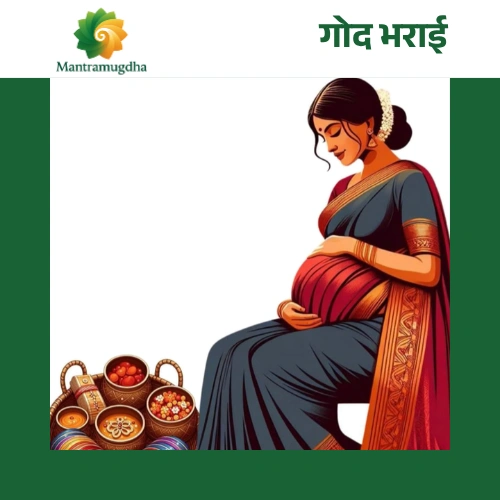
Godh Bharai Puja, popularly known as the Baby Shower ceremony, is a traditional Hindu ritual performed during pregnancy to bless the expecting mother and her unborn child. The term “Godh Bharai” literally means “filling the lap” and symbolizes the showering of love, blessings, and gifts for the mother-to-be.
This sacred ceremony celebrates the joy of motherhood while invoking divine protection for the mother and baby. It is a meaningful blend of emotional bonding, spiritual strength, and cultural tradition.
Who Should Perform Godh Bharai Puja?
Expectant mothers, generally during the 7th or 9th month of pregnancy
Families seeking divine blessings for safe delivery and good health
Those wishing to combine spiritual puja with traditional baby shower rituals
Complete Puja Procedure (Approx. Duration: 1.5 to 2 hours)
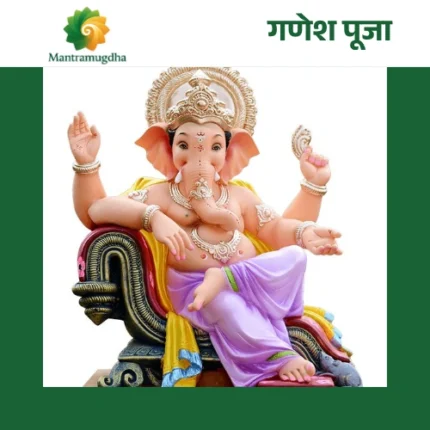
Gauri Ganesh Puja – Worship of Lord Ganesha and Goddess Parvati to remove obstacles and bless the mother with divine strength.
Kalash Sthapana – Installation of the sacred Kalash symbolizing life, prosperity, and fertility.
Mother-to-be Poojan – Special mantras are chanted for the well-being of the mother and unborn child.
Blessings and Gift Ceremony – Family members offer gifts, clothes, sweets, and fruits to the mother-to-be, signifying love and support.
Aarti and Prasad Distribution – Ceremony concludes with aarti, followed by distribution of prasad to all attendees.
Benefits of Godh Bharai Puja
Spiritual and Emotional Benefits
Brings divine protection, peace, and positivity to the mother and baby
Ensures a safe and smooth childbirth
Reduces stress and anxiety during pregnancy
Physical and Cultural Significance
Strengthens family bonding and emotional support for the mother
Protects the mother from negativity and evil influences
Aligns the child and mother with spiritual energy and blessings
When to Perform Godh Bharai Puja?
Most commonly performed during the 7th month of pregnancy, when the mother and baby are considered stable
In some traditions, it is also performed during the 9th month
The date is selected as per family customs, Nakshatra, and Tithi


MAECENAS IACULIS
Vestibulum curae torquent diam diam commodo parturient penatibus nunc dui adipiscing convallis bulum parturient suspendisse parturient a.Parturient in parturient scelerisque nibh lectus quam a natoque adipiscing a vestibulum hendrerit et pharetra fames nunc.
ADIPISCING CONVALLIS BULUM
- Vestibulum penatibus nunc dui adipiscing convallis bulum parturient suspendisse.
- Abitur parturient praesent lectus quam a natoque adipiscing a vestibulum hendre.
- Diam parturient dictumst parturient scelerisque nibh lectus.
Scelerisque adipiscing bibendum sem vestibulum et in a a a purus lectus faucibus lobortis tincidunt purus lectus nisl class eros.Condimentum a et ullamcorper dictumst mus et tristique elementum nam inceptos hac parturient scelerisque vestibulum.
Related products
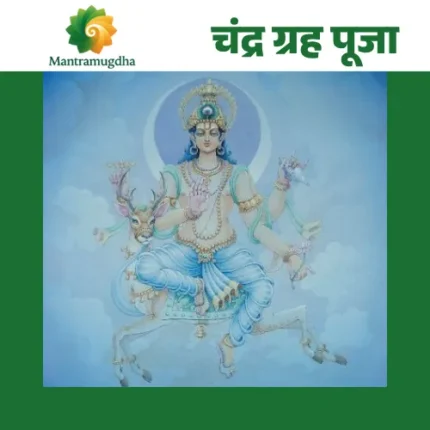
Benefits and Significance of Chandra (Moon) Graha Shanti Puja
Guide for Chanting Chandra Mantras
Chant Chandra mantras early in the morning after bathing, in front of Lord Chandra's image.
Mantra chanting creates positive vibrations that neutralize the malefic effects of the Moon.
Monday, especially during Shukla Paksha, is the most effective day for Chandra worship.
Ideally, chant the mantra 18 times or 18 x 108 times for best results.
As the Moon governs the mind, chanting its mantra enhances mental clarity, emotional control, and thought power.
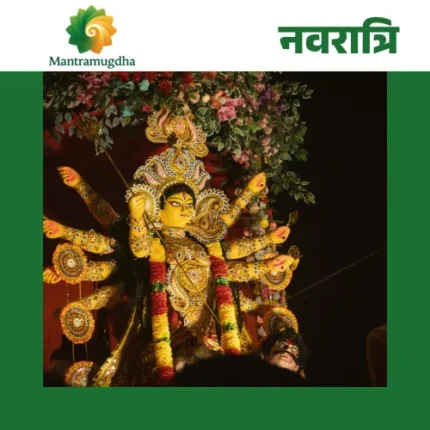
Chaitra Navratri Pooja – Invoking Maa Durga’s Divine Blessings
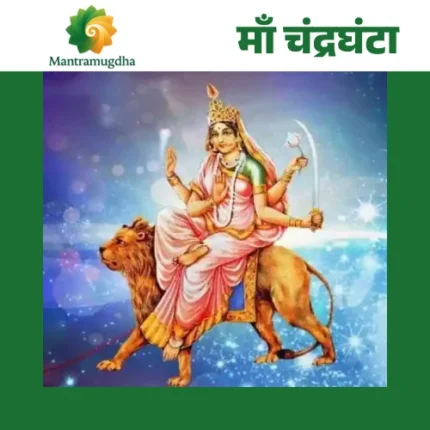
Day 3: Chandraghanta Pooja – The Worship of Divine Bravery
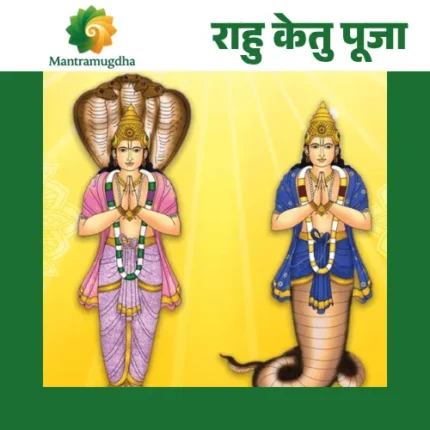
Rahu Ketu Pooja – Remedy for Doshas, Success & Protection from Malefic Effects
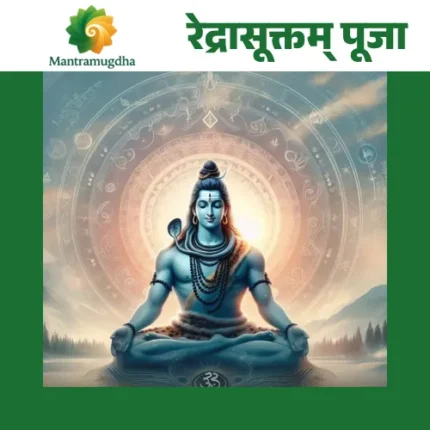
Rudrashtakam Path – The Supreme Hymn of Lord Shiva
Reviews
Clear filtersThere are no reviews yet.