
Day 5: Skandamata Pooja – The Worship of the Divine Mother
Original price was: ₹21,000.00.₹5,100.00Current price is: ₹5,100.00.
🙏 “Om Devi Skandamatayai Namah!” 🙏
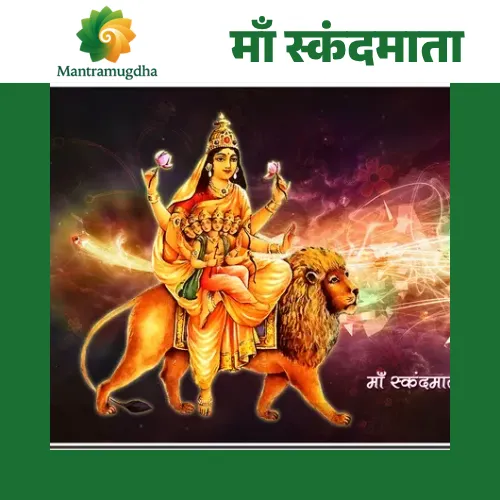
📖 “Maa Skandamata” is the fifth form of Navadurga, worshipped on the fifth day of Navratri. She is the mother of Lord Skanda (Kartikeya), the commander of the celestial army and the God of War.
The name Skandamata is derived from:
- Skanda – Referring to her son, Lord Kartikeya.
- Mata – Meaning “mother.”
She is the embodiment of motherly love, compassion, and protection. Worshipping her brings maternal blessings, wisdom, and prosperity.
Maa Skandamata is seated on a lion, symbolizing courage and strength, and holds her son Skanda (Kartikeya) on her lap. She has four arms:
🪔 A Lotus flower – Symbolizing purity and spiritual enlightenment.
🌿 A Second Lotus – Representing divine knowledge.
🛡️ A Kartikeya (Skanda) in her lap – Signifying motherly love and protection.
🙏 A hand in Abhaya Mudra – Granting fearlessness and blessings to devotees.
💡 Maa Skandamata bestows wisdom, prosperity, and divine protection.
🔹 Significance of Skandamata Pooja
🌿 Maa Skandamata represents the power of a mother’s love and protection and blesses devotees with:
✅ Wisdom, intelligence, and success in life.
✅ Divine protection and courage.
✅ Motherly love, peace, and happiness in family life.
✅ Spiritual knowledge and liberation.
✅ Good health and strength for children.
💡 Maa Skandamata’s blessings remove ignorance, bring clarity, and lead to a peaceful life.
🔹 Iconography & Symbolism of Maa Skandamata
🦁 She rides a lion, representing fearlessness and maternal strength.
🌿 She holds lotus flowers, symbolizing spiritual awakening and purity.
🛡️ Her son Kartikeya sits on her lap, showing her protective nature.
✨ She radiates divine light, symbolizing wisdom and intelligence.
🕉️ Maa Skandamata teaches us the power of unconditional love, wisdom, and courage.
🔹 Pooja Vidhi (Step-by-Step Rituals of Skandamata Pooja)
1️⃣ Sankalp (Sacred Resolution)
📌 The devotee takes a vow to worship Maa Skandamata with devotion and prays for wisdom, success, and protection.
📌 A Kalash (holy water pot) is placed, invoking divine blessings.
📌 The devotee seeks Maa’s grace to remove ignorance and bring clarity in life.
2️⃣ Kalash Sthapana (Ghatasthapana)
📌 A Kalash filled with water, mango leaves, and coconut is placed on the altar.
📌 A swastika is drawn with kumkum on the Kalash.
📌 The Kalash is worshipped as the seat of Maa Skandamata’s divine energy.
3️⃣ Ganesh Poojan – Worship of Lord Ganesha
📌 Before invoking Maa Skandamata, Lord Ganesha is worshipped to remove all obstacles.
📌 Durva grass, sweets, and flowers are offered to Lord Ganesha.
🌺 This ensures a smooth and successful Navratri Pooja.
4️⃣ Invocation of Maa Skandamata (Dhyana & Pran Pratishta)
📌 The devotee meditates upon Maa Skandamata and chants her Beej Mantra:
🌸 “Om Devi Skandamatayai Namah!” 🌸
📌 A lamp (diya) is lit, and the idol or picture of Maa Skandamata is placed on the altar.
5️⃣ Abhishek (Sacred Bath of Maa Skandamata’s Idol)
📌 The idol or picture of Maa Skandamata is bathed with sacred ingredients, each symbolizing divine blessings:
✅ Milk – For nourishment and motherly blessings
✅ Curd (Dahi) – For purity and prosperity
✅ Honey (Madhu) – For sweetness in life
✅ Ghee – For strength and longevity
✅ Gangajal (Sacred water) – For purification and divine energy
🌺 After Abhishek, Maa Skandamata is adorned with yellow flowers and silk clothes.
6️⃣ Offerings & Bhog (Naivedya to Maa Skandamata)
📌 Special offerings are made to please Maa Skandamata:
🔸 Bananas – Symbolizing nourishment and well-being
🔸 Coconut – For divine blessings
🔸 Yellow flowers – Representing wisdom and peace
🔸 Sweets (Halwa, Kheer, or Malpua) – As bhog for the goddess
🌿 Offering bananas and kheer to Maa Skandamata is believed to bring health and prosperity to the family.
7️⃣ Recitation of Durga Saptashati & Mantras
📌 Devotees recite Durga Saptashati (Chapter 5) to invoke Maa Skandamata’s blessings.
📌 Chanting the following mantras grants wisdom, success, and divine protection:
🔹 Beej Mantra:
🕉️ “Om Hreem Skandamatayai Namah”
🔹 Navarna Mantra:
🕉️ “Om Aim Hreem Kleem Chamundaye Vichche”
🔹 Durga Stuti & Durga Chalisa are also recited for divine grace.
🌺 Chanting these mantras removes ignorance, brings success, and grants spiritual wisdom.
8️⃣ Skandamata Aarti (Sacred Fire Ritual)
📌 Aarti is performed with camphor (kapoor), ghee diya, and bells.
📌 Devotees sing the Skandamata Aarti, seeking Maa’s divine blessings.
🔥 The Aarti purifies the atmosphere and brings positive vibrations. 🔥
9️⃣ Prasad Distribution & Blessings
📌 After Aarti, Prasad (Bananas, kheer, and sweets) is distributed.
📌 Devotees seek the blessings of elders and share the divine energy with family members.
🌺 “By worshipping Maa Skandamata, devotees are blessed with wisdom, peace, and divine protection!” 🌺
🔹 Benefits of Skandamata Pooja
✅ Blesses devotees with wisdom, intelligence, and success.
✅ Provides divine protection and maternal blessings.
✅ Grants good health and happiness in family life.
✅ Removes ignorance and fills life with peace.
✅ Brings spiritual enlightenment and clarity of mind.
🙏 May Maa Skandamata bless you with wisdom, protection, and happiness! 🙏
🌺 “Om Devi Skandamatayai Namah!” 🌺


MAECENAS IACULIS
Vestibulum curae torquent diam diam commodo parturient penatibus nunc dui adipiscing convallis bulum parturient suspendisse parturient a.Parturient in parturient scelerisque nibh lectus quam a natoque adipiscing a vestibulum hendrerit et pharetra fames nunc.
ADIPISCING CONVALLIS BULUM
- Vestibulum penatibus nunc dui adipiscing convallis bulum parturient suspendisse.
- Abitur parturient praesent lectus quam a natoque adipiscing a vestibulum hendre.
- Diam parturient dictumst parturient scelerisque nibh lectus.
Scelerisque adipiscing bibendum sem vestibulum et in a a a purus lectus faucibus lobortis tincidunt purus lectus nisl class eros.Condimentum a et ullamcorper dictumst mus et tristique elementum nam inceptos hac parturient scelerisque vestibulum.
Related products
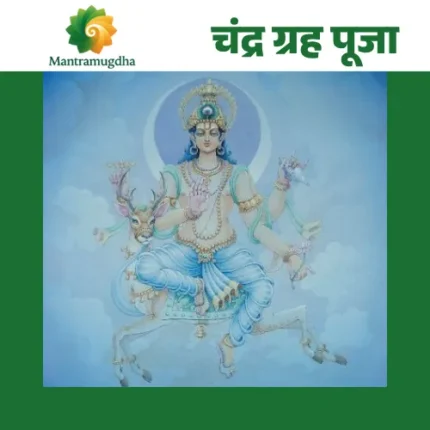
Benefits and Significance of Chandra (Moon) Graha Shanti Puja
Guide for Chanting Chandra Mantras
Chant Chandra mantras early in the morning after bathing, in front of Lord Chandra's image.
Mantra chanting creates positive vibrations that neutralize the malefic effects of the Moon.
Monday, especially during Shukla Paksha, is the most effective day for Chandra worship.
Ideally, chant the mantra 18 times or 18 x 108 times for best results.
As the Moon governs the mind, chanting its mantra enhances mental clarity, emotional control, and thought power.
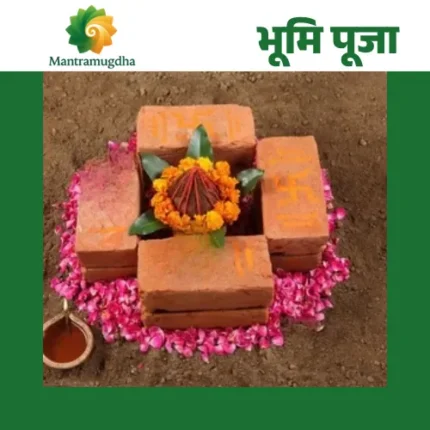
Bhoomi Pooja
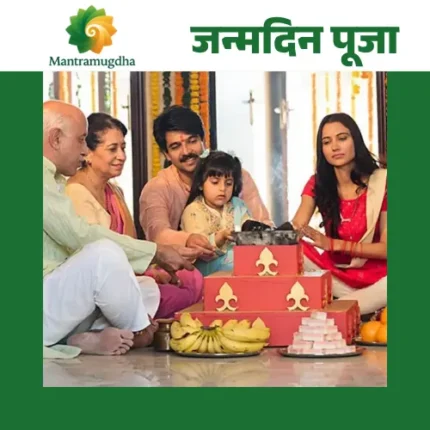
Birthday Puja (Janam Tithi Puja) | Vedic Rituals, Health, and Long-Life Prosperity. Performance by a Certified Pandit | Online and in-Person Options Are Available
5 Bullet Points
- Traditional Vedic Puja: Birthday Pooja Performed According to Your Janma Tithi or Date of Birth, Invited Lord Ganesha, Goddesses,s and Navagrahas to Bless Him.
- Experts Run by Pundits: Certified and Experienced Priests Perform Rituals with Appropriate Mantras and Vedic Processes.
- Personal Function: Shankalapa with Birth Details for Your Name, Gotra, and Customized Spiritual Benefits.
- Alternative Hammam Available: Add Ayushya Homa or Navagrah Shanti Homam to Enhance Health, Vitality, and Planetary Peace.
- All Materials Include: Worship Materials, Flowers, Prasadam, and Setup Support Provided (For In-Tradition Services). Online Puja Kits Are Sent If Remote.
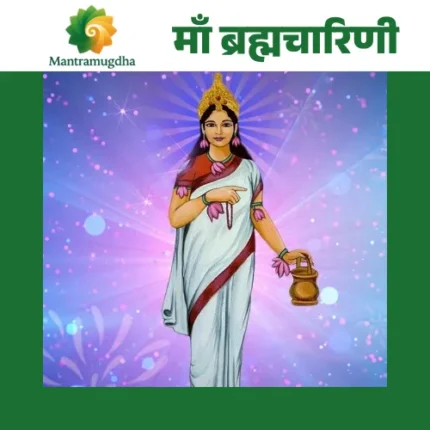
Day 2: Brahmacharini Pooja – The Worship of Divine Tapasya
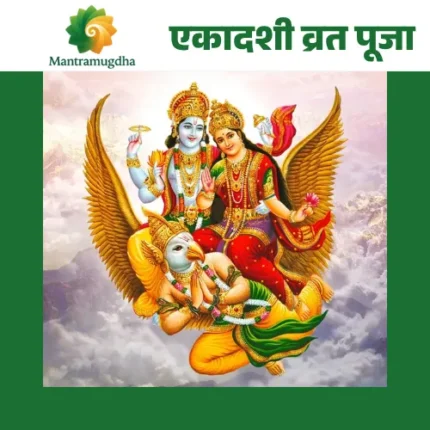
Ekadashi Vrat Puja – Gateway to Spiritual Liberation
Benefits of Ekadashi Vrat & Puja
✅ Spiritual Purification – Removes past life sins and karmic debts. ✅ Enhances Inner Strength – Boosts willpower, discipline, and mental clarity. ✅ Blessings of Lord Vishnu – Brings divine protection, prosperity, and moksha (liberation). ✅ Health Benefits – The fasting detoxifies the body, promoting good health. ✅ Auspicious for Family Welfare – Brings harmony, peace, and blessings to the entire family. ✅ Effective Remedy for Financial Stability and Peace of Mind.
Garud Puran Path: A Complete Guide to Afterlife Wisdom and Ancestral Peace
Santan Gopal Pooja – Divine Blessings for Childbirth & Parental Bliss
Reviews
Clear filtersThere are no reviews yet.