
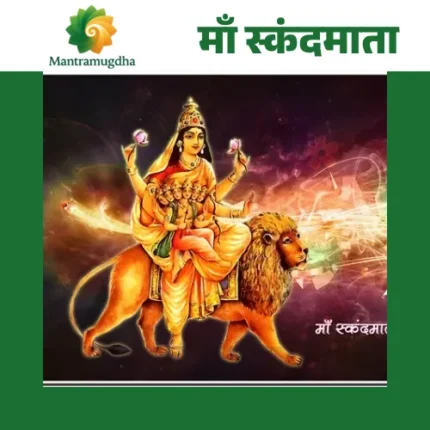
Day 5: Skandamata Pooja – The Worship of the Divine Mother
🙏 "Om Devi Skandamatayai Namah!" 🙏📖 "Maa Skandamata" is the fifth form of Navadurga, worshipped on the fifth day of Navratri. She is the mother of Lord Skanda (Kartikeya), the commander of the celestial army and the God of War.The name Skandamata is derived from:
- Skanda – Referring to her son, Lord Kartikeya.
- Mata – Meaning "mother."
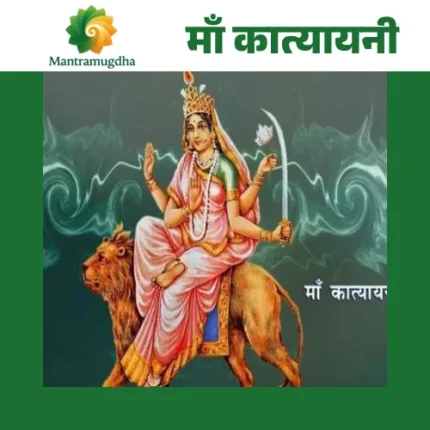
Day 6: Katyayani Pooja – The Worship of the Warrior Goddess
🙏 "Om Devi Katyayanyai Namah!" 🙏📖 "Maa Katyayani" is the sixth form of Navadurga, worshipped on the sixth day of Navratri. She is known as the warrior goddess, the fierce form of Maa Durga who vanquished the demon Mahishasura.Maa Katyayani was born to Sage Katyayana, who performed intense penance to have the divine goddess as his daughter. She is known as the protector of righteousness and the remover of sins and obstacles.Maa Katyayani is depicted as:🦁 Riding a lion, symbolizing strength and fearlessness.
🌿 Having four arms, holding:
- A lotus and sword – Representing divine blessings and destruction of evil.
- A hand in Abhaya Mudra – Granting protection and fearlessness.
- A hand in Varada Mudra – Showering blessings and boons.
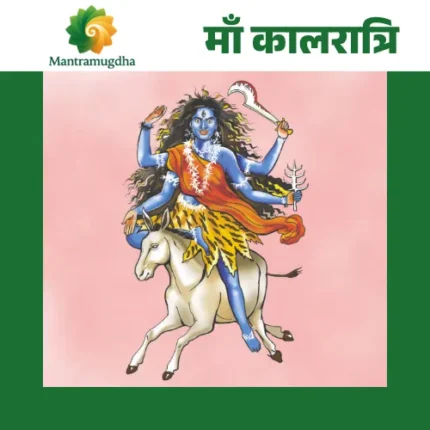
Day 7: Kalaratri Pooja – The Worship of the Fierce Protector
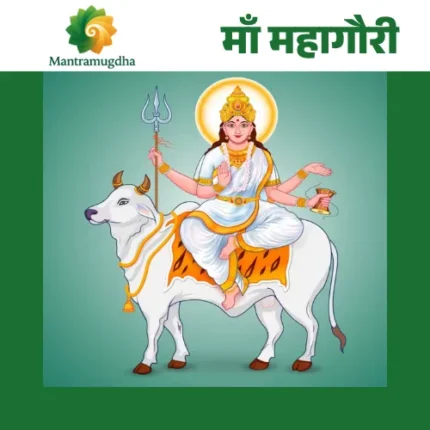
Day 8: Mahagauri Pooja – The Worship of Divine Purity and Serenity
🙏 "Om Devi Mahagauryai Namah!" 🙏📖 "Maa Mahagauri" is the eighth form of Navadurga, worshipped on the eighth day of Navratri, also known as Durga Ashtami. She represents purity, serenity, and divine grace.Maa Mahagauri is depicted as:🌸 A radiant white complexion, symbolizing purity and wisdom.
🌺 Adorned in white attire (Shwetambardhara), signifying peace and simplicity.
🛡️ Four arms, holding:
- A Trident (Trishul) – Symbolizing power and destruction of evil.
- A Damaru (small drum) – Representing creation and divine rhythm.
- One hand in Abhaya Mudra – Granting protection from fear.
- One hand in Varada Mudra – Bestowing divine blessings and prosperity. 🕊️ She rides a bull (Vrishabha), symbolizing righteousness and dharma.
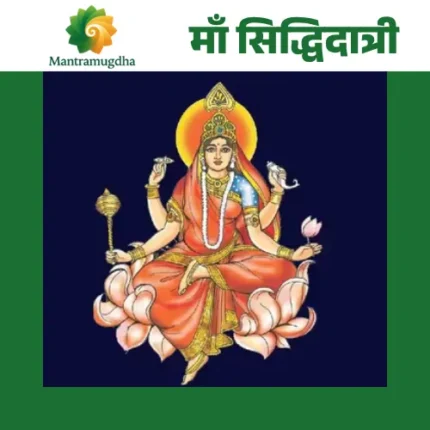
Day 9: Siddhidatri Pooja – The Worship of Divine Accomplishment and Miracles
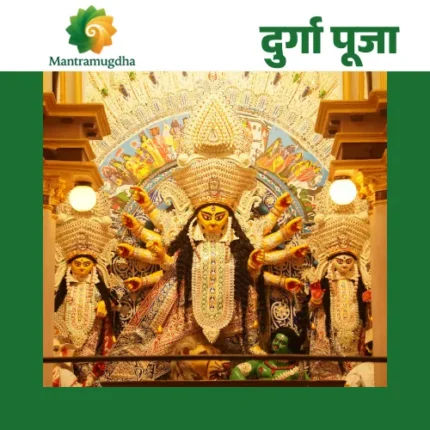
Durga Pooja – The Divine Worship of Maa Durga
🙏 "Jai Maa Durga!" Dear devotees, today I will explain the significance and rituals of Durga Pooja, one of the most powerful and sacred festivals dedicated to Maa Durga, the embodiment of Shakti (divine energy), courage, and righteousness.Durga Pooja is performed to seek Maa Durga’s blessings for protection, prosperity, success, and the removal of all negative influences. It is especially significant for overcoming struggles, destroying negativity, and invoking divine power in one’s life.This Pooja is performed during Sharadiya Navratri (September-October) and also on special occasions like Durga Ashtami, Maha Navami, or as a personal spiritual sadhana.
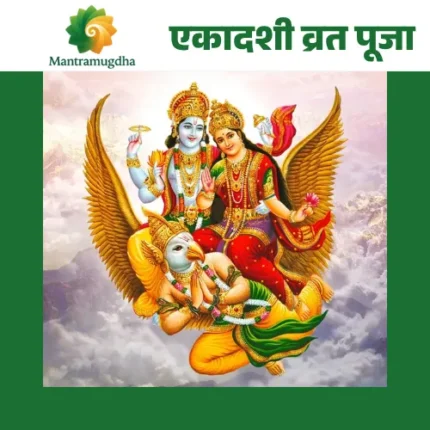
Ekadashi Vrat Puja – Gateway to Spiritual Liberation
Benefits of Ekadashi Vrat & Puja
✅ Spiritual Purification – Removes past life sins and karmic debts. ✅ Enhances Inner Strength – Boosts willpower, discipline, and mental clarity. ✅ Blessings of Lord Vishnu – Brings divine protection, prosperity, and moksha (liberation). ✅ Health Benefits – The fasting detoxifies the body, promoting good health. ✅ Auspicious for Family Welfare – Brings harmony, peace, and blessings to the entire family. ✅ Effective Remedy for Financial Stability and Peace of Mind.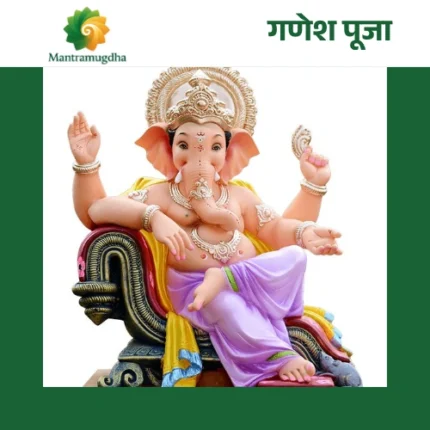
Ganesh Puja – Invoking the Blessings of Vighnaharta
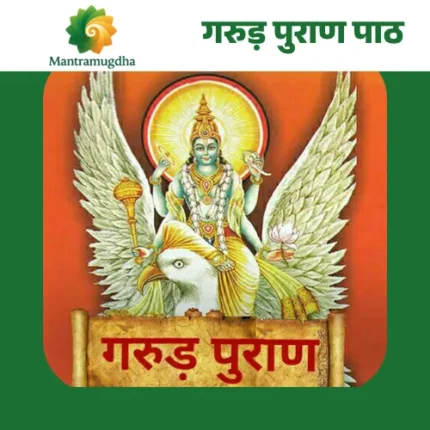
Garud Puran Path: A Complete Guide to Afterlife Wisdom and Ancestral Peace
Garud Puran is one of the 18 Mahapuranas in Hinduism, primarily dedicated to Lord Vishnu and narrated by his divine vehicle, Garuda (the eagle god). This sacred text holds profound knowledge about life after death, karma, rebirth, and ancestral rituals (Shraddha).Reciting the Garud Puran Path is considered essential for ensuring a peaceful journey of the departed soul and resolving Pitra Dosha (ancestral curses) that may affect the living family members.
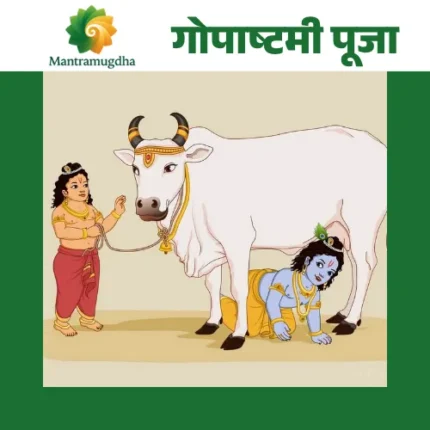
Gopashtami Puja
Benefits of Gopashtami Puja
Removes Planetary Doshas – Especially beneficial for those suffering from Surya Dosha or Pitra Dosha. Ensures Prosperity & Abundance – Blessings of Gau Mata ensure steady wealth, crops, and business growth. Purifies Mind & Soul – Helps in spiritual development and leads to peace and contentment. Enhances Career & Fame – Those in public life or service fields gain better recognition and respect. Improves Health & Longevity – Regular performance of this puja blesses the devotee with good health and vitality.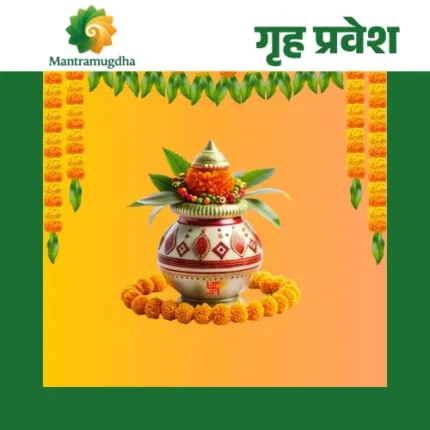
Grah Pravesh Pooja
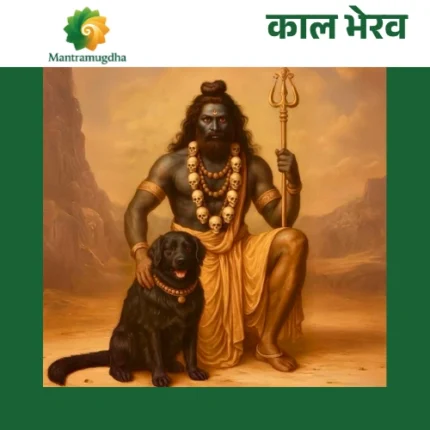
Kaal Bhairav Puja: Appease the Lord of Time and Protection
Invoke the powerful and protective energies of Lord Kaal Bhairav with a dedicated Kaal Bhairav Puja. This potent ritual is
Select options
This product has multiple variants. The options may be chosen on the product page