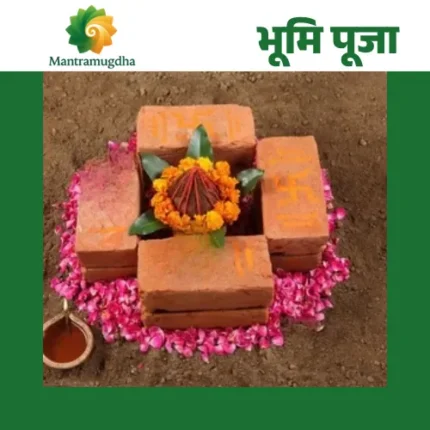
Bhoomi Pooja
Bhoomi Pooja is a sacred Hindu ritual performed before starting any construction, land-related work, or new project. This pooja is dedicated to Bhoomi Devi (Mother Earth) and Vastu Purusha, seeking their blessings for a strong foundation, prosperity, and protection from obstacles. It removes negative energies and ensures harmony in the new structure, whether it is a home, office, factory, or temple.
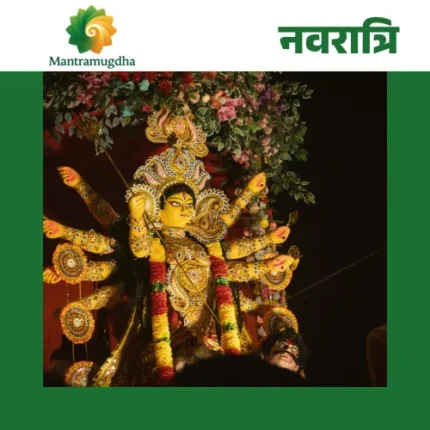
Chaitra Navratri Pooja – Invoking Maa Durga’s Divine Blessings
🙏 "Jai Mata Di!" Dear devotees, today I will explain the significance and rituals of Chaitra Navratri Pooja, a sacred festival dedicated to Maa Durga, observed in the Chaitra month (March-April). This is one of the most powerful times to worship the nine divine forms of Goddess Durga, seek her blessings for health, wealth, and prosperity, and remove all negative energies and doshas from life.Chaitra Navratri marks the beginning of the Hindu New Year and is considered an auspicious period to start new ventures, perform spiritual practices, and cleanse the mind and soul.

Dashamahavidya Jaap & Puja
Benefits of Dashamahavidya Jaap & Puja
✅ Removes intense planetary doshas (Rahu-Ketu, Shani, Kaal Sarp) ✅ Protects from black magic, enemy obstacles, and tantra badha ✅ Grants spiritual elevation and inner awakening ✅ Brings power, wealth, and success in life ✅ Helpful in high-stakes legal, business, and political challenges ✅ Effective during Mahadasha or Antardasha of malefic planets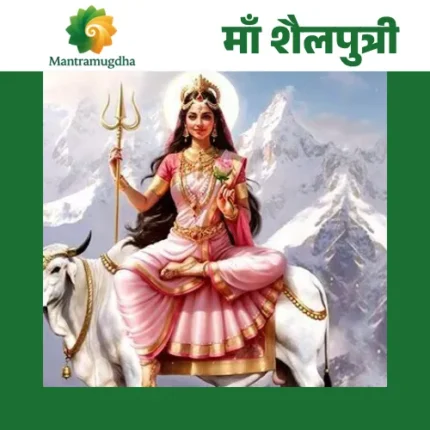
Day 1: Shailputri Pooja – The Worship of Divine Strength
🙏 "Om Devi Shailputryai Namah!" 🙏📖 "Maa Shailputri", the first form of Navadurga, is worshipped on the first day of Navratri. She is the daughter of the King of Himalayas (Shailraj Himavan), and her name means "the daughter of the mountain."Maa Shailputri is the purest manifestation of Maa Durga, representing strength, stability, and divine energy. She is often depicted riding a bull (Nandi) and holding a trident (Trishul) and a lotus in her hands. She is the goddess of the Muladhara Chakra (Root Chakra), which is the foundation of spiritual energy.🕉️ Worshipping Maa Shailputri brings physical and mental stability, removes insecurities, and blesses the devotee with a strong foundation for life.
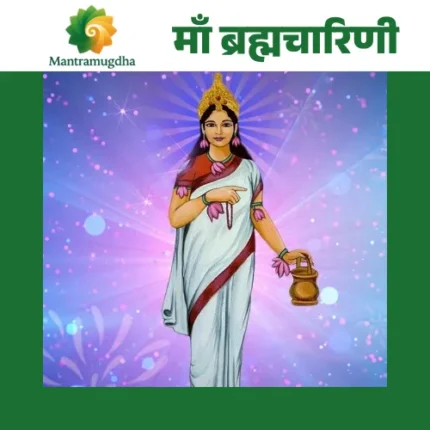
Day 2: Brahmacharini Pooja – The Worship of Divine Tapasya
🙏 "Om Devi Brahmacharinyai Namah!" 🙏📖 "Maa Brahmacharini" is the second form of Navadurga, worshipped on the second day of Navratri. She is the goddess of penance, austerity, and discipline. Her name, Brahmacharini, means “one who practices Brahmacharya (devotion, penance, and asceticism).”Maa Brahmacharini is depicted walking barefoot, holding a japa mala (rosary) in her right hand and a kamandalu (water pot) in her left hand. She represents severe penance, wisdom, knowledge, and perseverance.🕉️ Worshipping Maa Brahmacharini instills patience, self-control, and dedication, helping devotees attain success and spiritual enlightenment.
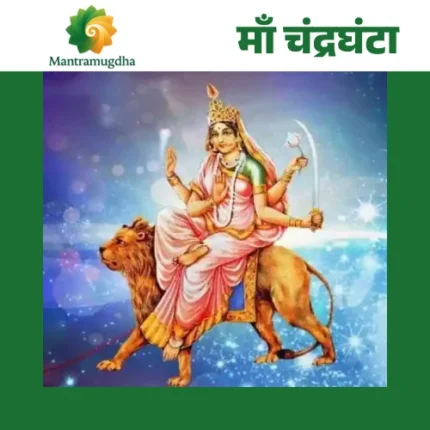
Day 3: Chandraghanta Pooja – The Worship of Divine Bravery
🙏 "Om Devi Chandraghantayai Namah!" 🙏📖 "Maa Chandraghanta" is the third form of Navadurga, worshipped on the third day of Navratri. She symbolizes courage, fearlessness, and serenity. Her name, Chandraghanta, comes from the half-moon (Chandra) shaped like a bell (Ghanta) on her forehead, which represents divine grace, bravery, and warrior-like strength.Maa Chandraghanta is depicted riding a lion, holding ten weapons in her hands, including a trident (Trishul), sword (Khadag), bow (Dhanush), and mace (Gada), signifying protection and destruction of evil forces.🕉️ Worshipping Maa Chandraghanta eliminates fear, negativity, and suffering, bringing peace, courage, and divine energy into life.
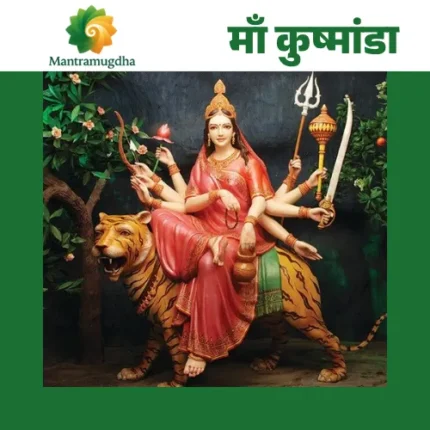
Day 4: Kushmanda Pooja – The Worship of Divine Creation
🙏 "Om Devi Kushmandayai Namah!" 🙏📖 "Maa Kushmanda" is the fourth form of Navadurga, worshipped on the fourth day of Navratri. She is known as the creator of the universe, as she is believed to have created the cosmic world with her divine smile. The name Kushmanda is derived from:
- Ku (small), Ushma (energy), and Anda (cosmic egg),
- Meaning "the goddess who created the universe from a cosmic egg with her divine energy."
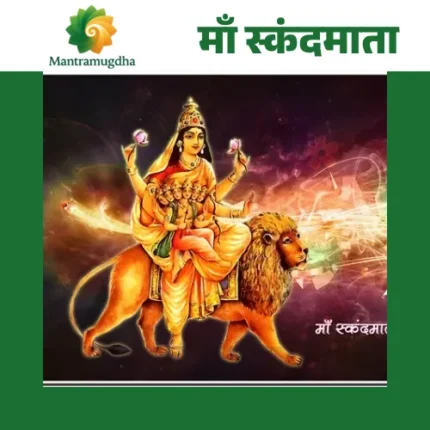
Day 5: Skandamata Pooja – The Worship of the Divine Mother
🙏 "Om Devi Skandamatayai Namah!" 🙏📖 "Maa Skandamata" is the fifth form of Navadurga, worshipped on the fifth day of Navratri. She is the mother of Lord Skanda (Kartikeya), the commander of the celestial army and the God of War.The name Skandamata is derived from:
- Skanda – Referring to her son, Lord Kartikeya.
- Mata – Meaning "mother."
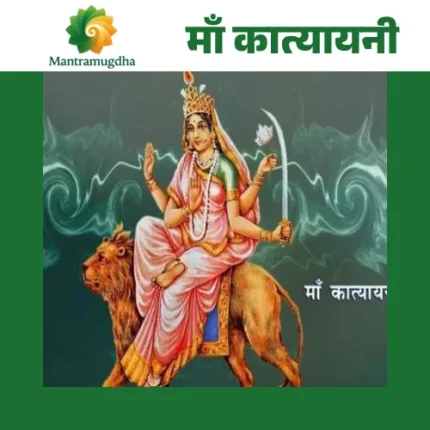
Day 6: Katyayani Pooja – The Worship of the Warrior Goddess
🙏 "Om Devi Katyayanyai Namah!" 🙏📖 "Maa Katyayani" is the sixth form of Navadurga, worshipped on the sixth day of Navratri. She is known as the warrior goddess, the fierce form of Maa Durga who vanquished the demon Mahishasura.Maa Katyayani was born to Sage Katyayana, who performed intense penance to have the divine goddess as his daughter. She is known as the protector of righteousness and the remover of sins and obstacles.Maa Katyayani is depicted as:🦁 Riding a lion, symbolizing strength and fearlessness.
🌿 Having four arms, holding:
- A lotus and sword – Representing divine blessings and destruction of evil.
- A hand in Abhaya Mudra – Granting protection and fearlessness.
- A hand in Varada Mudra – Showering blessings and boons.
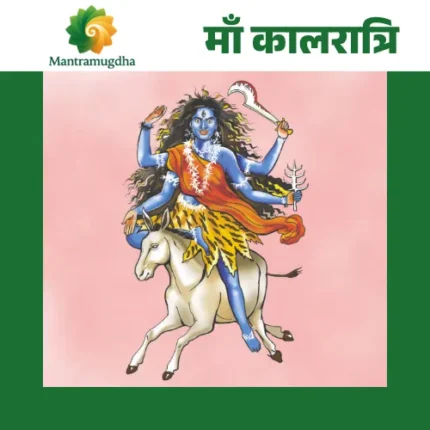
Day 7: Kalaratri Pooja – The Worship of the Fierce Protector
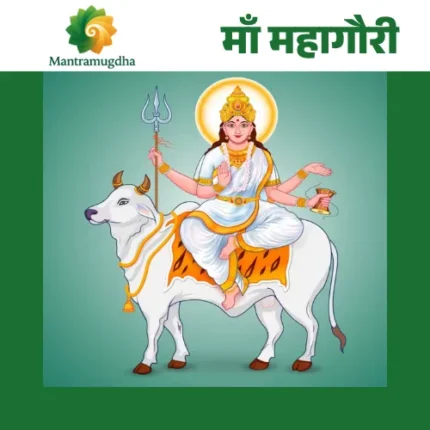
Day 8: Mahagauri Pooja – The Worship of Divine Purity and Serenity
🙏 "Om Devi Mahagauryai Namah!" 🙏📖 "Maa Mahagauri" is the eighth form of Navadurga, worshipped on the eighth day of Navratri, also known as Durga Ashtami. She represents purity, serenity, and divine grace.Maa Mahagauri is depicted as:🌸 A radiant white complexion, symbolizing purity and wisdom.
🌺 Adorned in white attire (Shwetambardhara), signifying peace and simplicity.
🛡️ Four arms, holding:
- A Trident (Trishul) – Symbolizing power and destruction of evil.
- A Damaru (small drum) – Representing creation and divine rhythm.
- One hand in Abhaya Mudra – Granting protection from fear.
- One hand in Varada Mudra – Bestowing divine blessings and prosperity. 🕊️ She rides a bull (Vrishabha), symbolizing righteousness and dharma.